

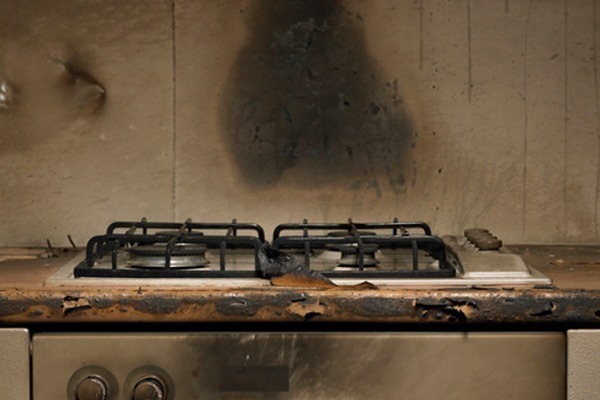
When your home’s been hit by fire, the first look around can stop you cold. The walls are dark, the air feels heavy, and every surface smells like what you’ve just lost. You stand there, not sure where to begin—or if you even can. That’s usually when the right team and the right tools start to matter most.
Modern fire damage repair extends beyond cleaning what’s visible — it uncovers hidden issues so your home can truly recover. Skilled teams inspect every layer for lingering soot, smoke odor, and structural weakness, restoring not only appearance but also safety, air quality, and long-term stability after the damage is done.
Advancements in Fire Restoration Tools | Fire Damage Repair
Restoration used to rely heavily on visual inspections and manual cleanups. These days, restoration crews rely on equipment that does the job faster and with more control.
They use gentle vacuums and soft brushes designed to lift soot off fragile materials without leaving scratches. Machines that filter and refresh the air help clear out the heavy, burnt smell that lingers after a fire. Technicians also check their progress on handheld monitors—watching readings update as the space comes back to normal, one section at a time.
This shift means restoration is now about using precise technology to accurately return your home to a safe and livable state.
Also read: Why Professional Disaster Restoration Is Your Best Solution | Restoration Services in Pittsburgh, PA
How Thermal Imaging Identifies Hidden Damage
One of the most valuable innovations in fire damage repair is thermal imaging inspection. After a fire, not all damage is visible. Heat can linger inside walls, and water used to extinguish flames can seep deep into materials.
Thermal imaging helps restoration teams detect these “invisible” problems by showing temperature variations that indicate hidden moisture or structural weakness.
Thermal imaging allows technicians to detect hidden issues within walls, ceilings, and floors, enabling professionals to identify and resolve problems before they escalate.
Moisture Detection and Structural Testing | Fire Damage Repair
Fires often leave behind more than soot and ash. Water from firefighting efforts can lead to mold, warping, or hidden rot.
Moisture detection tools utilize sensors to measure dampness within materials, ensuring that no areas are overlooked. Structural testing then ensures that your home remains safe to live in.
Here’s what a typical restoration process might include:
- Scan each surface for hidden moisture, especially around baseboards or under flooring.
- Check wall strength and insulation with a few firm taps to spot any soft or weak areas.
- Log moisture readings after each pass to track real drying progress.
- Recheck everything before rebuilding to avoid sealing in leftover dampness.
Each step keeps the work honest — ensuring your home is sturdy, not just freshly patched up.
Digital Reporting for Insurance Claims
One of the most stressful parts of recovery can be dealing with insurance claims. Thankfully, technology simplifies that too. Many restoration professionals now use digital reporting tools to document every part of the fire damage repair process — complete with photos, data logs, and timestamps.
This not only makes it easier for homeowners to understand what’s being done, but also gives insurance adjusters clear proof of the work completed. No more guesswork or back-and-forth calls.
Bringing It All Together
By integrating modern technology, fire damage repair has become more accurate and transparent for homeowners. However, effective restoration still depends on skilled professionals overseeing each step.
If you’re facing fire damage, we, at ServiceMaster of Greater Pittsburgh, use advanced technology and proven methods to guide you through every step, restoring both your home and your confidence.
Contact us to begin your restoration.