

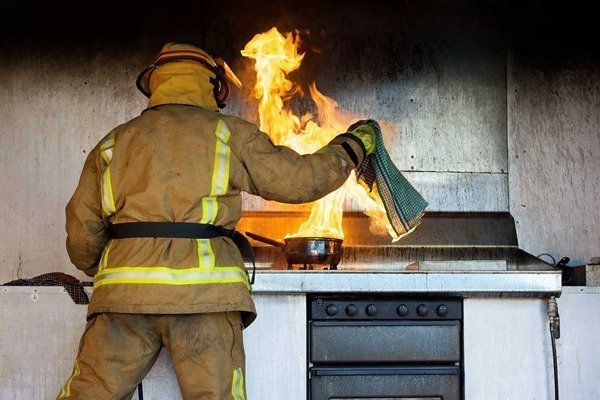
Most people picture burnt walls or blackened ceilings when they think about fire damage, but the real trouble often hides where you can’t see it. Inside the walls and beneath the floors, your plumbing, HVAC, and electrical systems may have suffered fire damage that isn’t immediately apparent.
Heat, smoke, and even the water used to fight the flames can quietly weaken these essential systems.
Understanding how fire damage in Pittsburgh affects these systems helps you know what to look for—and what to fix—before moving back in after an incident.
Heat Damage to Ductwork and Pipes | Fire Damage in Pittsburgh
Intense heat doesn’t need to touch something directly to cause damage. Metal ductwork can bend or separate at the seams, allowing soot or smoky air to enter. Plastic pipes may warp, melt slightly, or become brittle. These changes can lead to air leaks, water leaks, and even strange noises when systems start running again.
It’s easy to miss this kind of damage because most of it happens behind walls. A professional mechanical system check—using inspection cameras or pressure testing—can catch problems that haven’t shown up yet. It’s the kind of step that spares you from surprise leaks or stale, musty air months after fire restoration work is done.
Electrical Wiring and Corrosion Concerns
Even after a home looks restored, fire damage tends to linger in the wiring. The heat can soften or melt insulation, leaving bare wires hidden behind the drywall. You might not see it, but the risk doesn’t disappear when the smoke does. Water from firefighting efforts can soak into outlets or panels, setting the stage for corrosion.
Corroded wiring doesn’t always fail right away. It can quietly create resistance that leads to short circuits or sparks. Before restoring power, an electrician should test each circuit, replace compromised parts, and verify that your system is safe.
It’s one of the most overlooked but important parts of recovery after fire damage.
Why Post-Fire HVAC Cleaning Is Critical
Your heating and cooling system can spread smoke odors throughout the home if it’s not cleaned correctly. Air ducts collect soot and fine ash, which then circulate with every system run.
Even when the house smells fine, that musty whiff can sneak back the second you turn on the heat or AC.
Professional HVAC cleaning covers:
- Swapping out old air filters
- Washing down coils and vents
- Clearing dust and buildup from ducts
- Freshening the system from the inside out
A proper cleaning like this doesn’t just make the air smell better—it keeps what you’re breathing cleaner, especially after months of dust, pet hair, or kitchen smoke collecting in the system.
Also read: Understanding Insurance Claims After a Fire: A Practical Guide | Pittsburgh Fire Damage
Steps for Mechanical System Inspection
A detailed mechanical system inspection focuses on all the systems that keep your home running after fire damage. Professionals will:
- Examine ductwork and plumbing for heat or smoke damage
- Test for leaks and airflow issues
- Check HVAC components for debris or warping
- Inspect electrical wiring for corrosion or exposure
- Run system tests to confirm safe operation
It’s not just about getting things to work again after fire damage; it’s about ensuring every part of your home is secure and reliable through thorough mechanical system inspection.
Safety Checks Before Moving Back In | Fire Damage in Pittsburgh
Before you move back in, make sure these safety steps are covered:
- Test and replace smoke and carbon monoxide detectors
- Have a full inspection of plumbing, HVAC, and electrical systems
- Keep records of all repairs and replacements
- Schedule follow-up maintenance over the next few months
Taking these precautions ensures your home isn’t just livable—it’s truly safe.
Recovering from fire damage in Pittsburgh can feel overwhelming, but you don’t have to do it alone. ServiceMaster of Greater Pittsburgh guides you through every step of the restoration process, protecting your home’s structure and systems while providing you with peace of mind.
Contact our team today for expert support and personalized guidance.